Pipes, Roof Ice, Heating, and Weatherization Basics
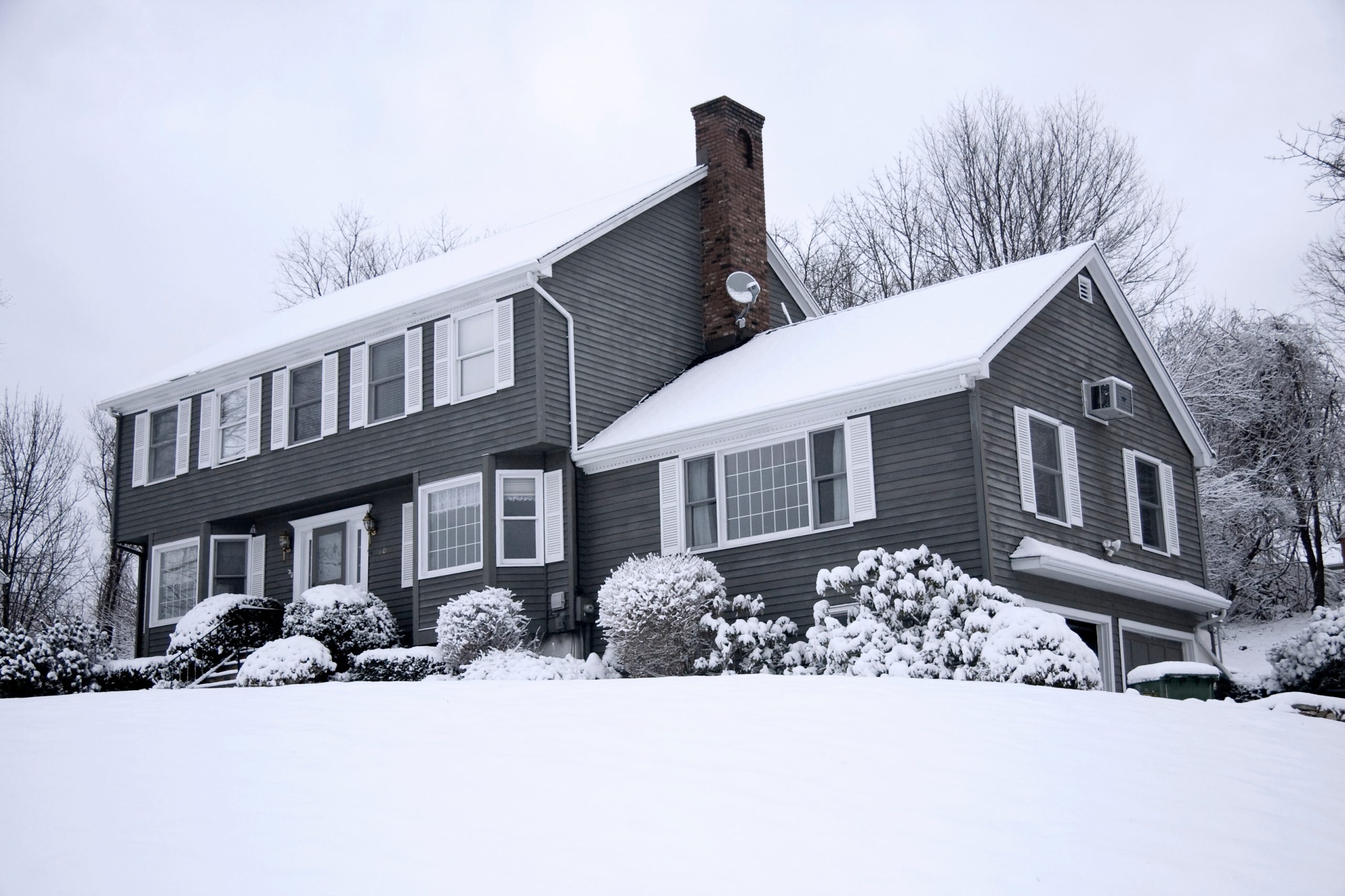
Spokane winters can be hard on homes. The biggest problems usually come from four areas: frozen pipes, roof ice and ice dams, heating system strain, and drafts that quietly drive up your monthly bills. This guide covers practical, homeowner friendly steps to protect your home before the cold sets in.
Spokane Winter Reality: What Your Home Needs to Handle
Winter proofing is easier when you plan for cold snaps, wind, and repeated freeze and thaw cycles. Those swings are what tend to cause burst pipes, slippery walkways, and roof edge ice buildup.
If you want climate normals and seasonal temperature context for Spokane that can help you plan timing and priorities, reference
NWS Spokane climate information.
Pipes: Prevent Freezes and Expensive Repairs
Frozen pipes are one of the most common and costly winter issues. The risk is highest in unheated areas like crawl spaces, garages, basements, and exterior walls, especially where insulation is thin or missing.
Quick pipe checklist
- Insulate exposed pipes in crawl spaces, basements, garages, and utility rooms.
- Seal air leaks where pipes enter the home, including gaps around sill plates and wall penetrations.
- Disconnect and drain outdoor hoses, then shut off and drain exterior faucets if your home has a shutoff valve.
- Know your main shutoff and confirm it works before winter.
- Keep indoor temps consistent during cold snaps, even if you are away.
During a cold snap
- Open cabinet doors under sinks to let warmer air circulate.
- Let a faucet drip slightly only if you are at high risk and cannot quickly improve insulation.
- Keep garage doors closed if plumbing runs through adjacent walls.
If a pipe freezes
Turn off water at the main shutoff if you suspect a burst. If you see frost or no flow, warm the area slowly using safe heat sources like a space heater positioned away from flammables. Avoid open flame. If you cannot identify the frozen section quickly, call a licensed plumber.
Roof Ice and Ice Dams: Stop Water Intrusion Before It Starts
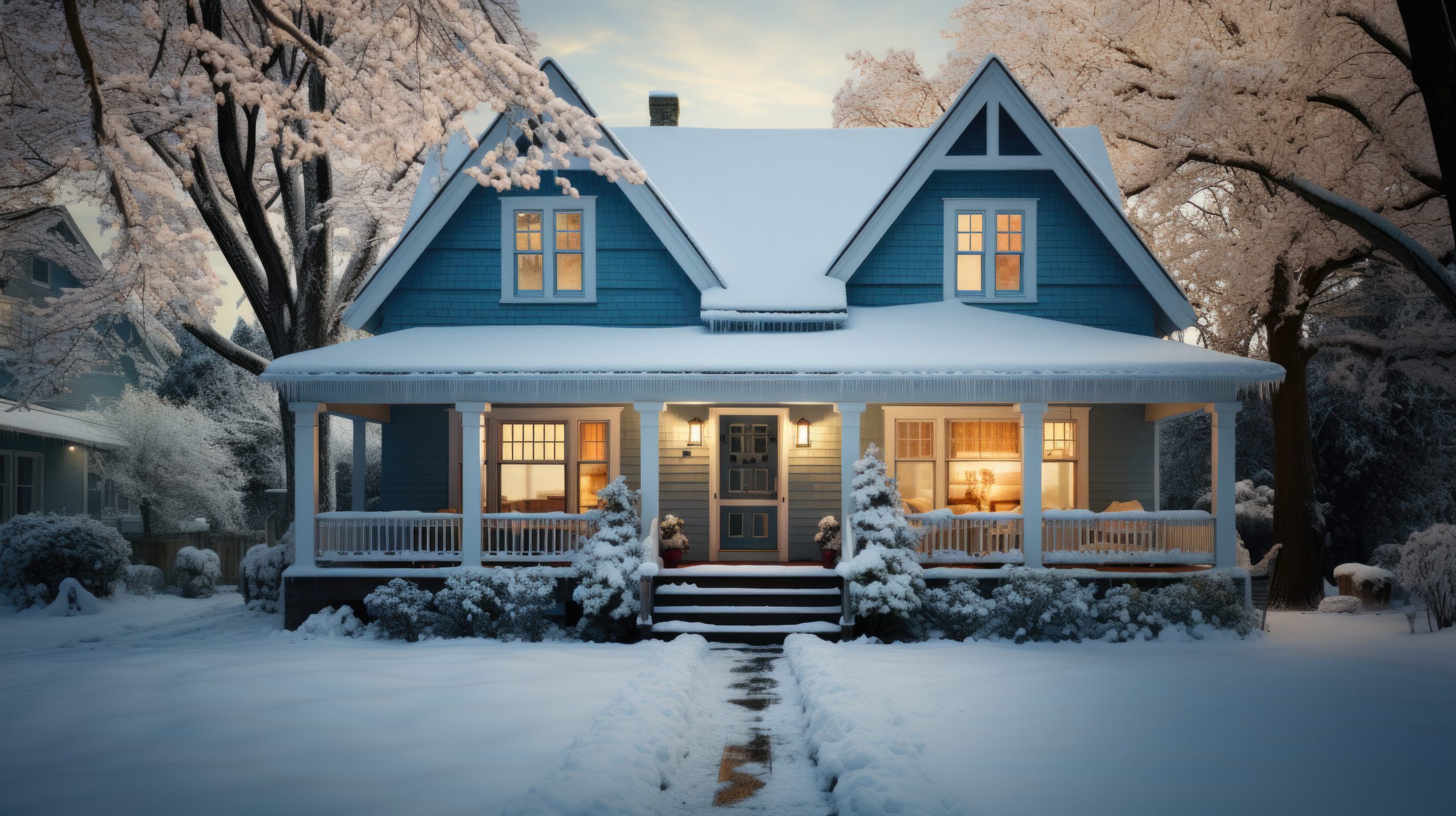
Ice dams happen when heat escapes into the attic, melts snow on the roof, and refreezes at the colder roof edge. The ice creates a barrier that traps water, which can back up under shingles and leak into ceilings and walls.
Best prevention steps
- Air seal the attic floor to reduce heat escaping from the home into the attic.
- Upgrade attic insulation so the roof stays colder and snow melts less.
- Confirm bathroom fans vent outside, not into the attic, to reduce moisture and ice risk.
- Clean gutters so meltwater can drain properly.
Safe response if you see ice buildup
- Use a roof rake from the ground to remove excess snow near eaves when safe.
- Avoid chipping ice with tools that can damage shingles.
- If you have active leaks, call a roofing professional quickly to limit interior damage.
Heating: Keep Your System Reliable When It Matters Most
Your heating system works hardest during Spokane cold snaps. Simple maintenance reduces breakdown risk and can lower energy costs all winter.
Heating system basics to do now
- Replace filters regularly so airflow stays strong and systems do not overwork.
- Schedule an annual service for furnaces and heat pumps to catch issues early.
- Check vents and returns so they are not blocked by furniture or rugs.
- Test your thermostat and consider a programmable schedule for overnight savings.
Heat pump and furnace notes
- Heat pumps: Clear outdoor units of snow and leaves. Keep airflow open and do not pile snow against the unit.
- Gas furnaces: Ensure exhaust vents remain clear. If you notice unusual odors, soot, or frequent cycling, stop and have it inspected.
Weatherization: Reduce Drafts and Lower Bills
Weatherization is often the highest return winter project because it improves comfort and reduces heating costs. The goal is to stop cold air infiltration and keep warm air inside.
High impact weatherization tasks
- Seal gaps around doors, windows, and utility penetrations using caulk and foam where appropriate.
- Install or replace weatherstripping on exterior doors.
- Add door sweeps to stop cold air at the bottom of doors.
- Insulate attic access points and make sure the hatch closes tightly.
- Cover drafts in crawl spaces and confirm vents are handled properly for your home type.
Window and comfort tips
- Use insulated curtains or thermal shades to reduce heat loss at night.
- If windows are very drafty, temporary interior window film can help until you replace them.
- Use rugs in high traffic areas to improve comfort on cold floors.
First Winter Safety Checks
Winter proofing is not only about comfort. A few safety checks protect your home and your family.
- Test smoke and carbon monoxide alarms, replace batteries, and confirm placement is correct.
- Inspect fireplace and chimney before heavy use.
- Know where your shutoffs are for water, gas, and the electrical panel.
- Prepare an emergency kit with flashlights, batteries, blankets, and basic supplies.
Bottom Line
A Spokane winter proof plan is simple: protect pipes, keep heat inside, prevent roof ice problems, and maintain your heating system before peak cold arrives. A weekend of prep can prevent the most common winter emergencies and make your home noticeably more comfortable all season.