What Sellers in Spokane Get Wrong About Pricing Their Home
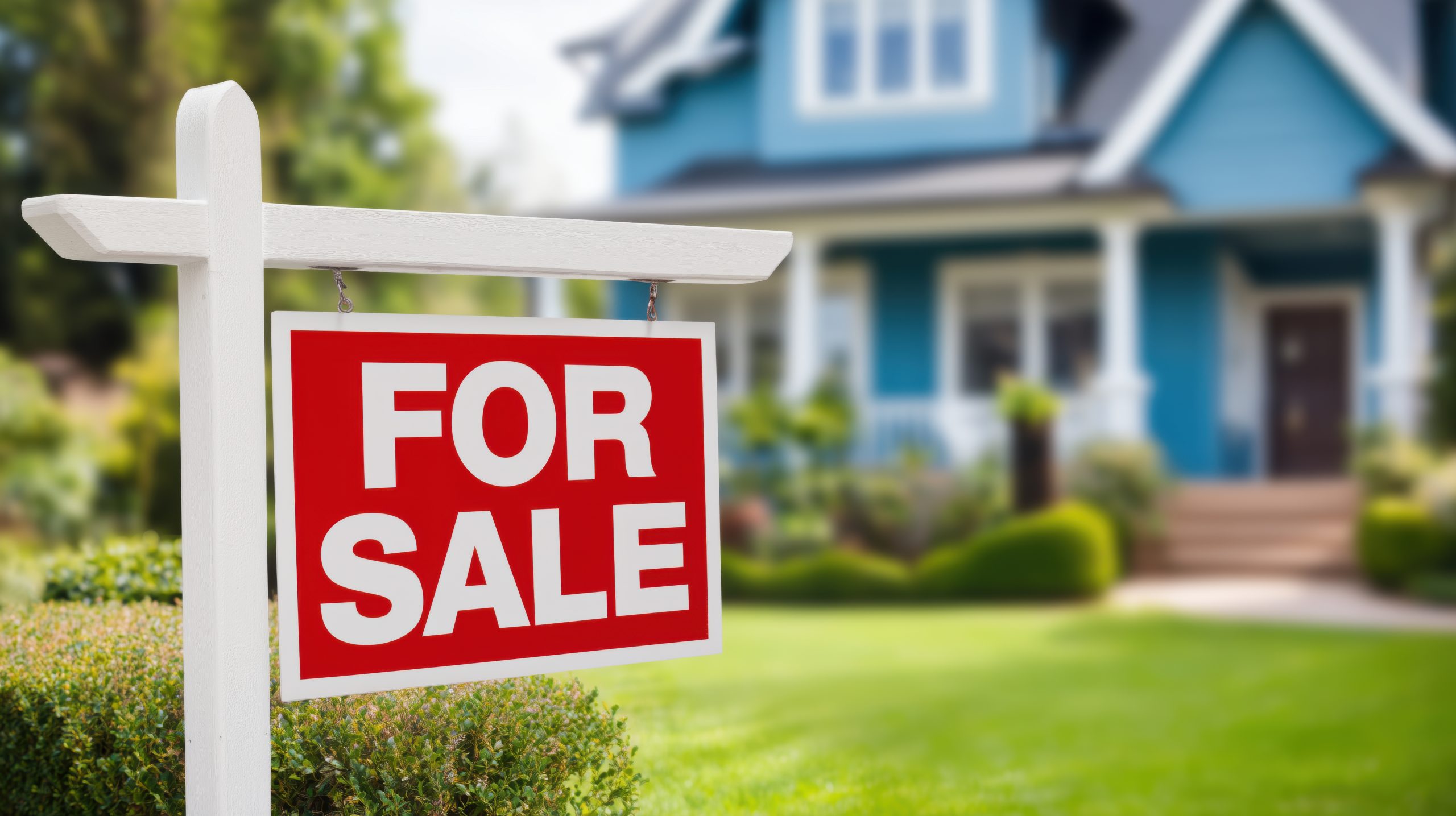
Pricing a home correctly is one of the most important decisions sellers make, yet it is also where many go wrong. In Spokane, the market has shifted from the rapid pace of previous years, and outdated pricing strategies can quickly work against sellers. Understanding how buyers interpret price can help you avoid common mistakes and position your home to sell efficiently.
Overpricing Based on Emotion
Why Personal Value Does Not Equal Market Value
Many sellers price their home based on emotional attachment or the cost of past upgrades. While improvements add appeal, buyers focus on comparable sales and current market conditions. Pricing too high can cause buyers to skip your listing entirely, even if the home is otherwise a good fit.
The Risk of Chasing the Market
When a home is overpriced, it often sits longer than similar listings. Sellers then reduce the price in steps, which can signal to buyers that something is wrong. Homes that start at a realistic price often sell faster and closer to asking.
Relying on Outdated Market Conditions
Some sellers still expect pricing strategies that worked during peak seller markets. In today’s Spokane market, buyers are more selective and better informed. Inventory levels and interest rates have changed how buyers approach offers, especially in nearby areas like Spokane Valley.
Pricing based on last year’s headlines rather than current data can cause listings to miss the window of strongest interest.
Ignoring Neighborhood Specific Trends
Why Location Matters More Than Ever
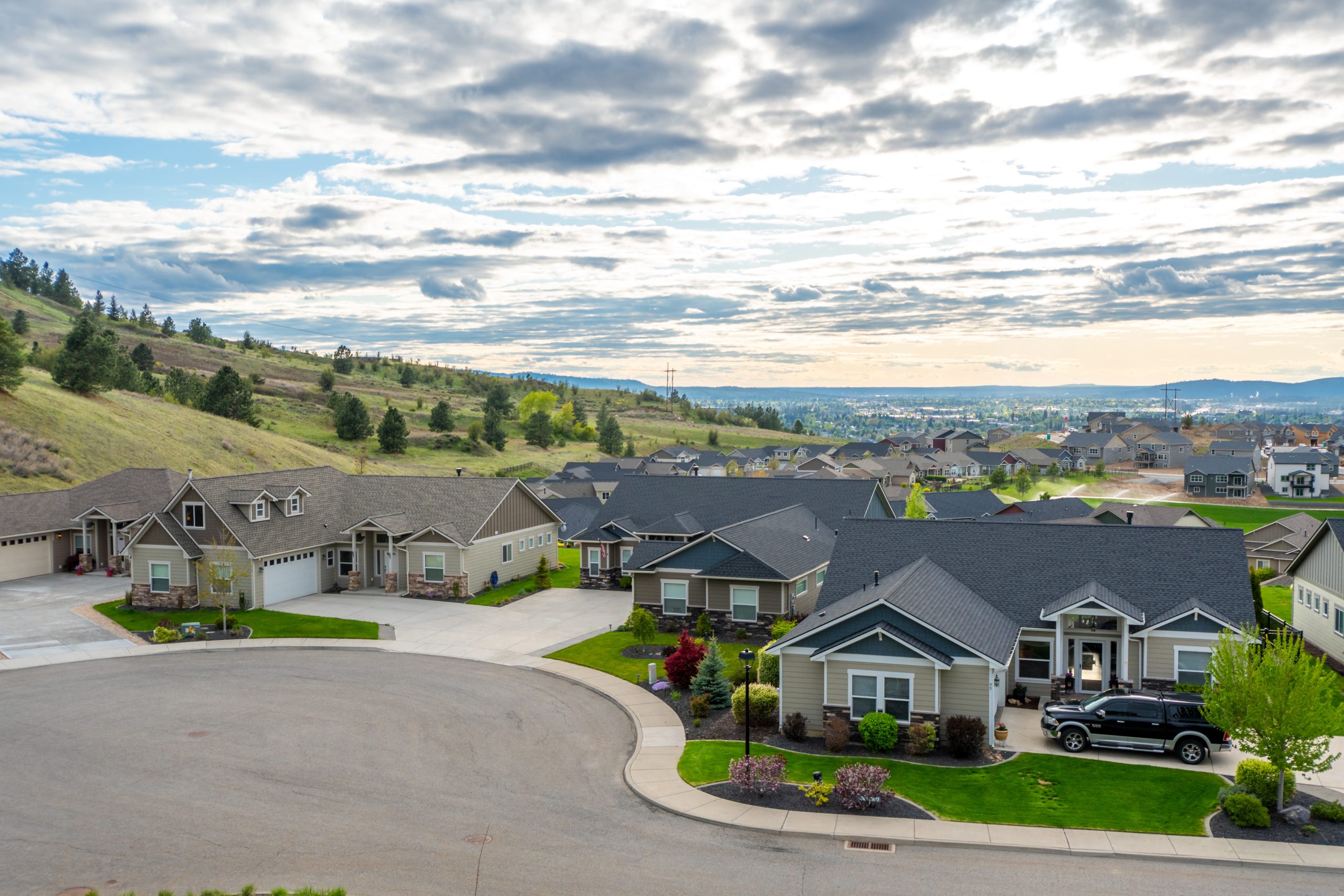
Not all Spokane neighborhoods perform the same. Pricing that works in one area may not apply in another. Buyers closely compare homes within the same neighborhood, school zone, or commute range. Sellers who ignore local trends often price themselves out of their target buyer pool.
This is especially true when comparing suburban areas like Liberty Lake to more central Spokane neighborhoods, where buyer expectations and budgets differ.
Assuming Buyers Will Negotiate Down
Some sellers intentionally list high, assuming buyers will negotiate. In reality, many buyers never engage with overpriced listings at all. Online search filters and price brackets mean your home may never appear in the right buyer searches if priced incorrectly.
How to Price Strategically
- Review recent comparable sales, not just active listings
- Understand current buyer demand in your specific area
- Factor in condition, presentation, and competition
- Price to attract attention early when interest is highest
Setting Yourself Up for a Successful Sale
Correct pricing is not about guessing high or leaving room to negotiate. It is about positioning your home where buyers see value and act quickly. Sellers who rely on local data and professional guidance are far more likely to achieve strong results without unnecessary delays.
For national insights on how pricing affects buyer behavior and days on market, the National Association of Realtors offers detailed research at nar.realtor.