
Why a Repair Budget Matters
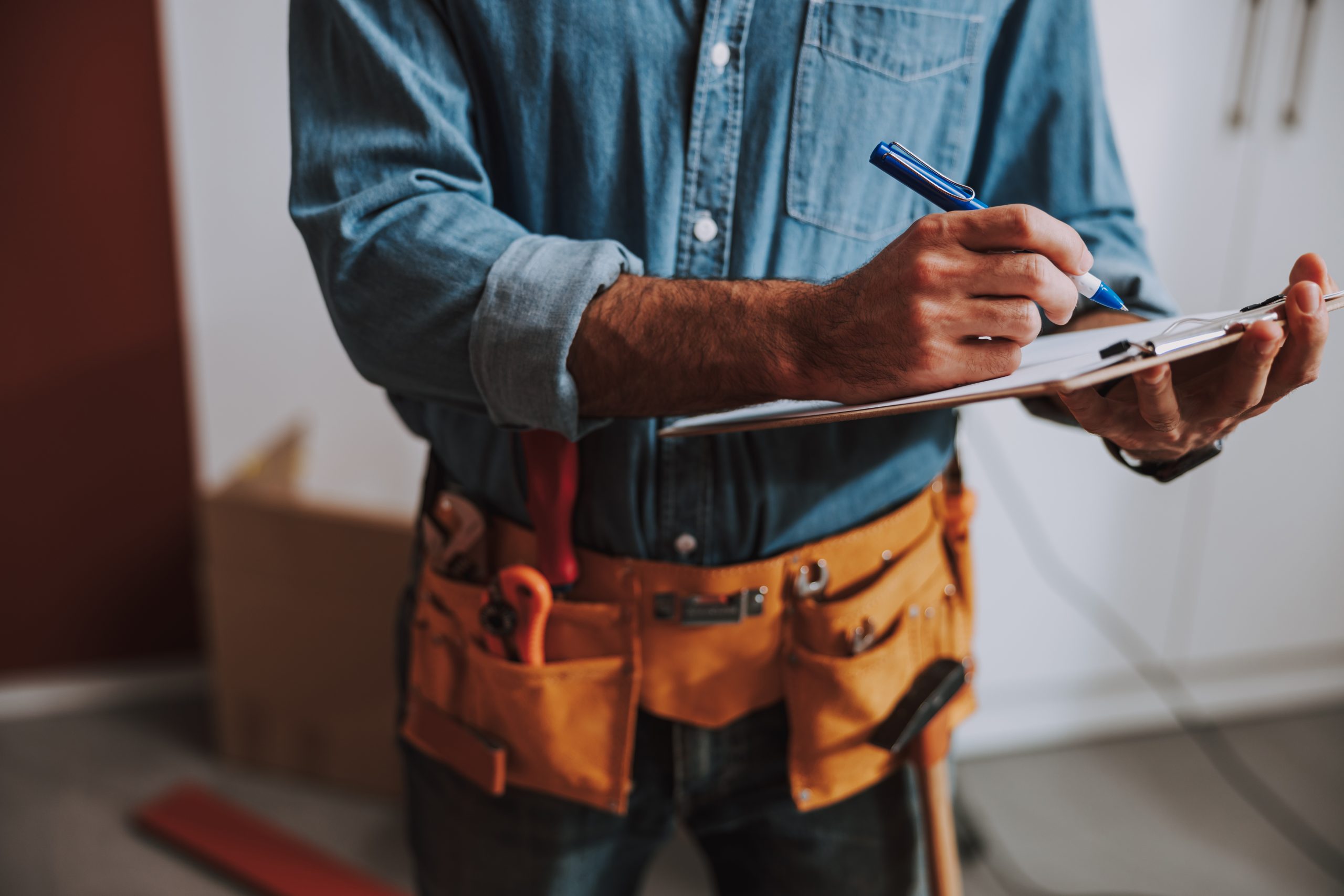
Major home repairs rarely arrive at a convenient time. A water heater dies, a roof starts leaking, or the furnace quits during the coldest week of the year. The easiest way to reduce stress is to plan ahead with a simple repair budget that matches your home’s age, condition, and systems. This guide shows how to estimate what is coming, how much to save, and how to stay prepared without overthinking it.
For national cost ranges and typical replacement cycles for common home systems, you can reference
remodeling cost and value data.
Homeownership includes two types of expenses: predictable monthly costs and surprise repairs. A strong repair budget protects your savings, reduces credit card reliance, and helps you make smarter decisions about maintenance versus replacement. It also makes buying a home feel more sustainable long term.
Start With the Big Four Systems
Most large repair expenses fall into four categories. If you track these, you will catch most of the major financial risk in a typical home.
Roof
- Typical expense: replacement or major repair
- What to watch: missing shingles, curling edges, soft spots, interior stains, gutter granules
- Budget approach: if the roof is older, increase savings now even if it looks fine
HVAC and heating
- Typical expense: furnace, heat pump, or AC replacement and service repairs
- What to watch: uneven heating, short cycling, unusual noises, high energy bills
- Budget approach: plan for replacement if the system is near the end of its typical life
Plumbing and water heater
- Typical expense: water heater replacement, leaks, supply line failures
- What to watch: rust, slow leaks, low pressure, water discoloration, pooling near the tank
- Budget approach: assume a water heater will fail eventually and save accordingly
Electrical
- Typical expense: panel upgrades, wiring fixes, safety repairs
- What to watch: flickering lights, warm outlets, frequent breaker trips, outdated panels
- Budget approach: prioritize safety issues and plan for upgrades over time
How Much Should You Save?
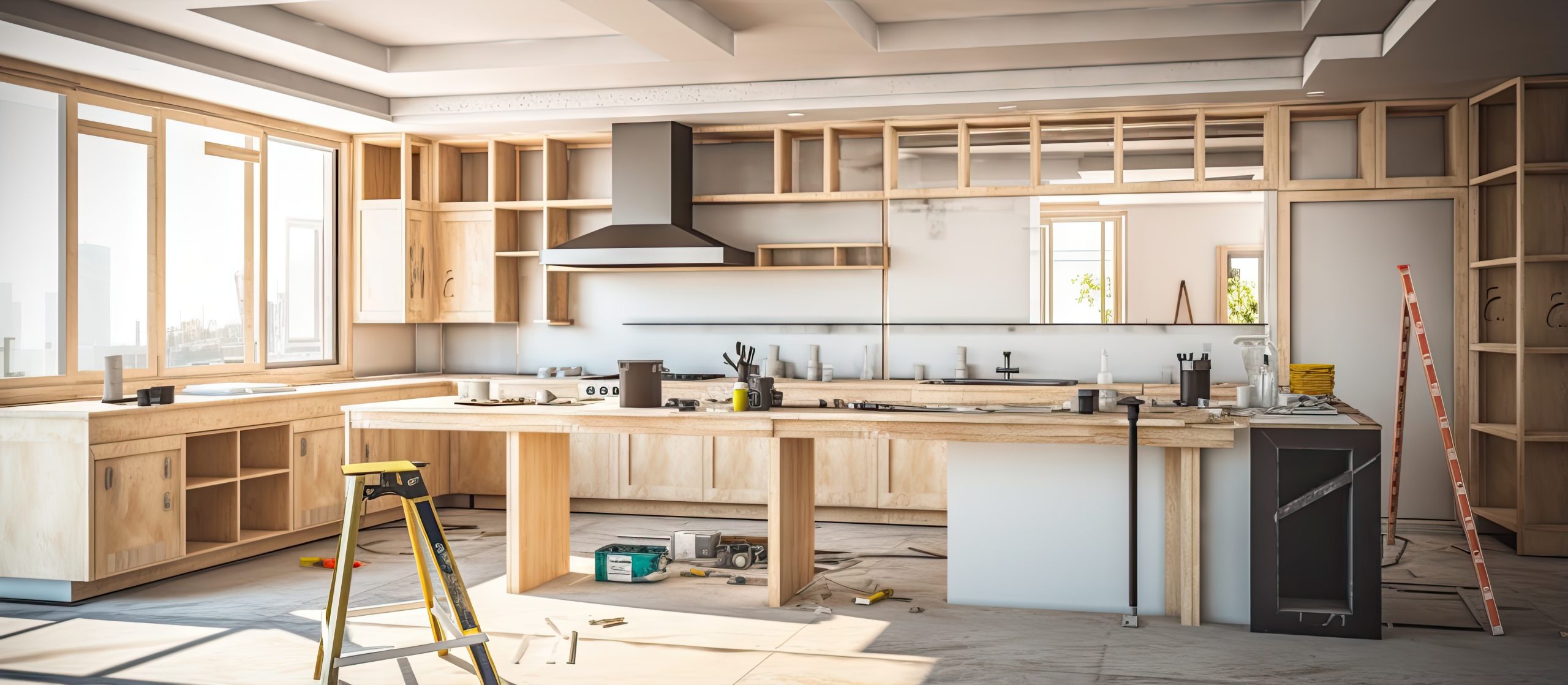
There is no perfect number, but there are reliable budgeting methods that work for most homeowners. You can choose one that feels realistic and adjust as you learn your home.
Option 1: Percentage of home value
A common baseline is saving about 1% of your home’s value per year for maintenance and repairs. If your home is older, has aging systems, or has been lightly maintained, consider 2% per year.
Option 2: Monthly repair fund baseline
If percentages feel abstract, start with a monthly target. Many homeowners set aside a steady amount each month and scale up when a system is aging. The goal is consistency more than perfection.
Option 3: System based sinking funds
This method is the most accurate. You list major systems, estimate replacement cost, then divide by years remaining to get an annual or monthly savings target. It feels more intentional and reduces surprises.
Create a Simple Home Repair Forecast
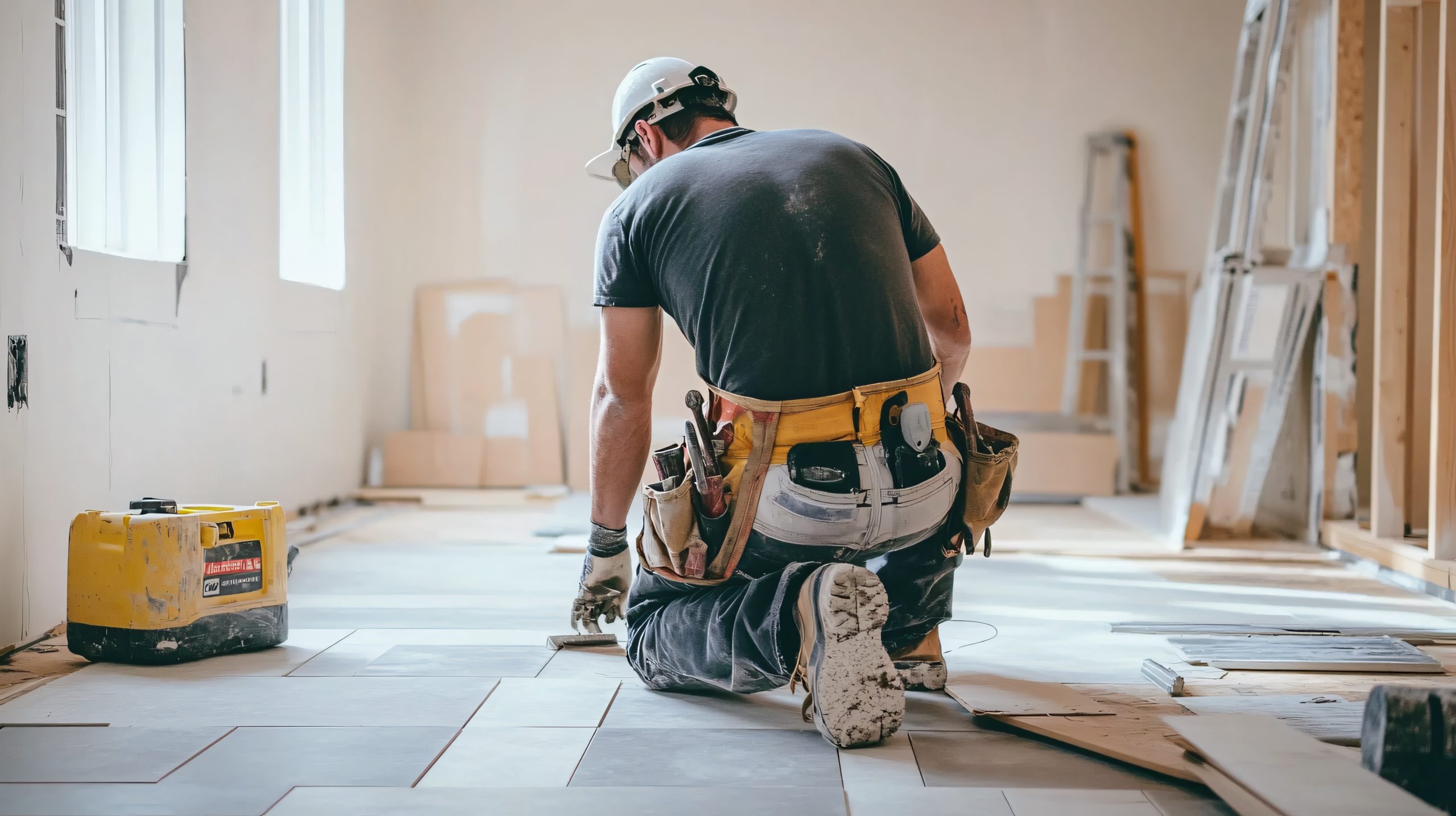
You do not need a spreadsheet to get value. A short list can provide clarity quickly.
Step 1: List your major components
- Roof
- Heating and cooling system
- Water heater
- Major appliances
- Plumbing risk areas
- Electrical panel and safety items
- Exterior paint or siding needs
Step 2: Estimate age and remaining life
Use inspection notes, permits, receipts, and labels on equipment. Even a rough estimate helps you plan. If something is unknown, treat it as older and budget more conservatively.
Step 3: Assign a rough replacement range
Use local contractor quotes when you can. If you do not have quotes, use a conservative range and refine later. The goal is to avoid being underprepared.
Step 4: Divide into monthly savings targets
If you estimate a 10,000 dollar roof replacement in 5 years, that is about 2,000 per year or about 167 per month. Do this for the top three to five items and you will have a strong plan.
How to Avoid Surprise Repairs
You cannot prevent everything, but you can reduce the odds of emergency failures.
High ROI maintenance habits
- Change HVAC filters regularly and service systems seasonally.
- Keep gutters clean and drain water away from the foundation.
- Watch for small leaks and fix them before they cause rot or mold.
- Do a quick monthly walk around the home to spot changes early.
What to Do If Your Budget Is Tight
If saving feels difficult, start with a smaller but consistent number. The habit matters more than the starting amount. You can also prioritize the most expensive and most urgent risks first.
Priority order when money is limited
- Safety: electrical hazards, roof leaks, structural issues
- Water damage prevention: plumbing leaks, drainage, gutter issues
- Heating reliability: especially before winter
- Efficiency upgrades: weatherization that lowers bills over time
Bottom Line
The best repair budget is the one you actually follow. Track the big systems, set a realistic monthly savings target, and adjust based on your home’s age and condition. When major repairs happen, you will have options instead of stress.