Flood Risk and Drainage in Spokane: How to Check a Property and What to Look For
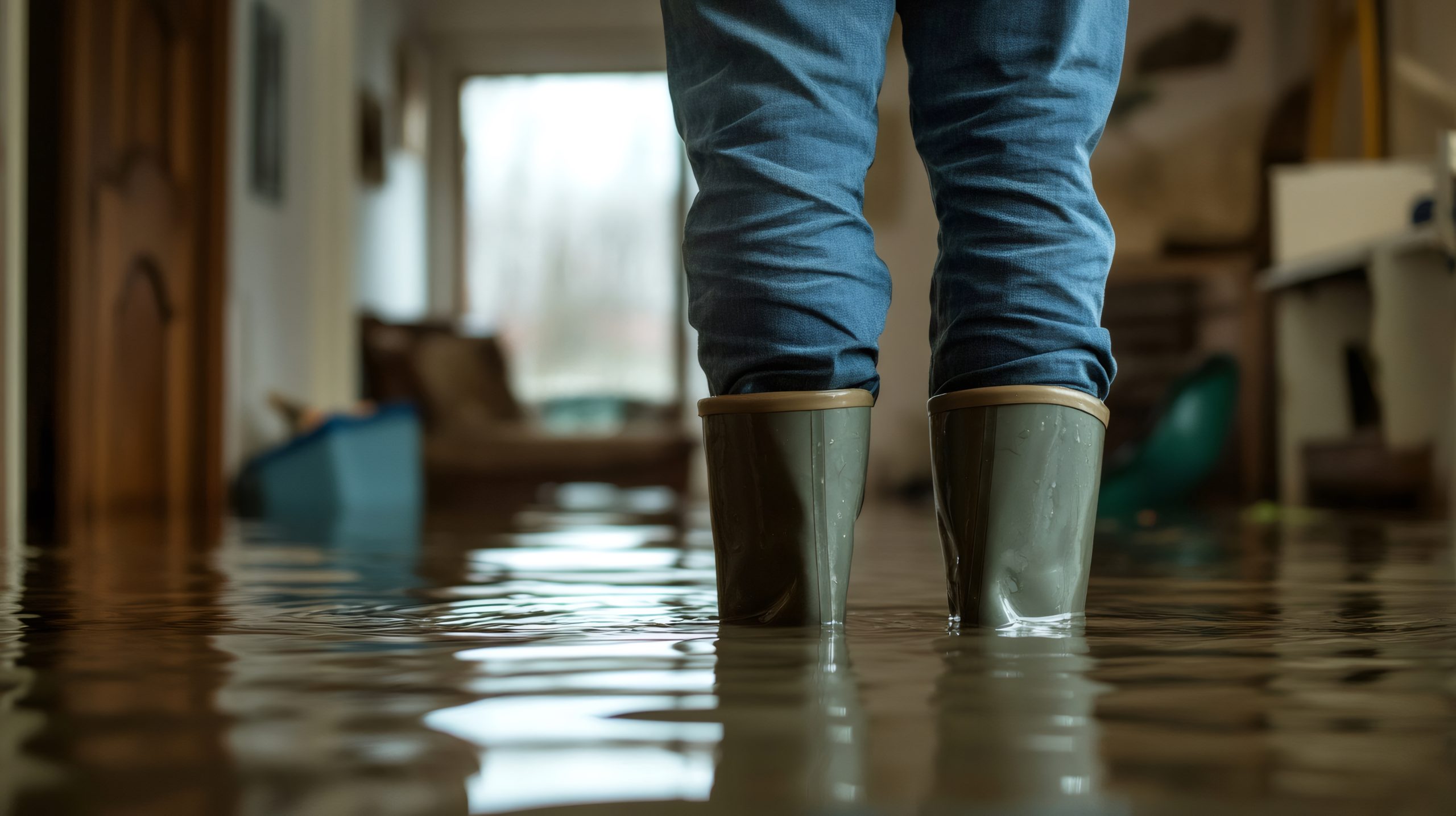
Plumber evaluating water damage in flooded home interior, wearing rubber boots
Flooding in Spokane is not usually caused by major storms or overflowing rivers. Instead, most
property damage comes from poor drainage, snowmelt, clogged systems, and water that has
nowhere to go. Understanding how water moves across and away from a property can help you
spot risks early and avoid costly repairs.
Spokane Flood Reality: Where Problems Usually Start
Spokane experiences seasonal snowmelt, freeze and thaw cycles, and occasional heavy rain.
These conditions can overwhelm drainage systems, especially around older homes, sloped lots,
and properties with aging infrastructure.
Flood risk is often very localized. Two neighboring homes can have very different outcomes
depending on grading, soil, and drainage design.
For regional floodplain and hydrology context, you can reference
Spokane County floodplain management resources.
Ground Drainage: How Water Moves Around Your Home
The first thing to evaluate is how surface water behaves during rain or snowmelt. Water should
always move away from the foundation, never toward it.
What to check around the exterior
- Soil slope should grade away from the foundation on all sides.
- Low spots near the home where water can pool after rain.
- Hard surfaces like driveways or patios that direct runoff toward the house.
- Exposed foundation cracks that could allow water intrusion.
- Downspout discharge points that release water too close to the structure.
Warning signs of poor drainage
- Muddy soil that stays wet long after rain stops.
- Water stains or moss growth near the foundation.
- Efflorescence or white residue on concrete walls.
- Settling or erosion along walkways and edges.
Gutters and Downspouts: Your First Line of Defense
Roof runoff is one of the largest sources of uncontrolled water around a home. Gutters and
downspouts must be sized, placed, and maintained correctly to move that water safely away.
Gutter system basics
- Clean gutters regularly to prevent overflow.
- Secure fasteners so gutters do not sag or pull away.
- Check slope so water flows toward downspouts.
- Extend downspouts at least several feet from the foundation.
During snowmelt season
- Confirm gutters are not blocked by ice.
- Watch where meltwater flows during the day.
- Address overflow immediately to avoid basement leaks.
Basements and Crawl Spaces: Hidden Flood Risk Areas
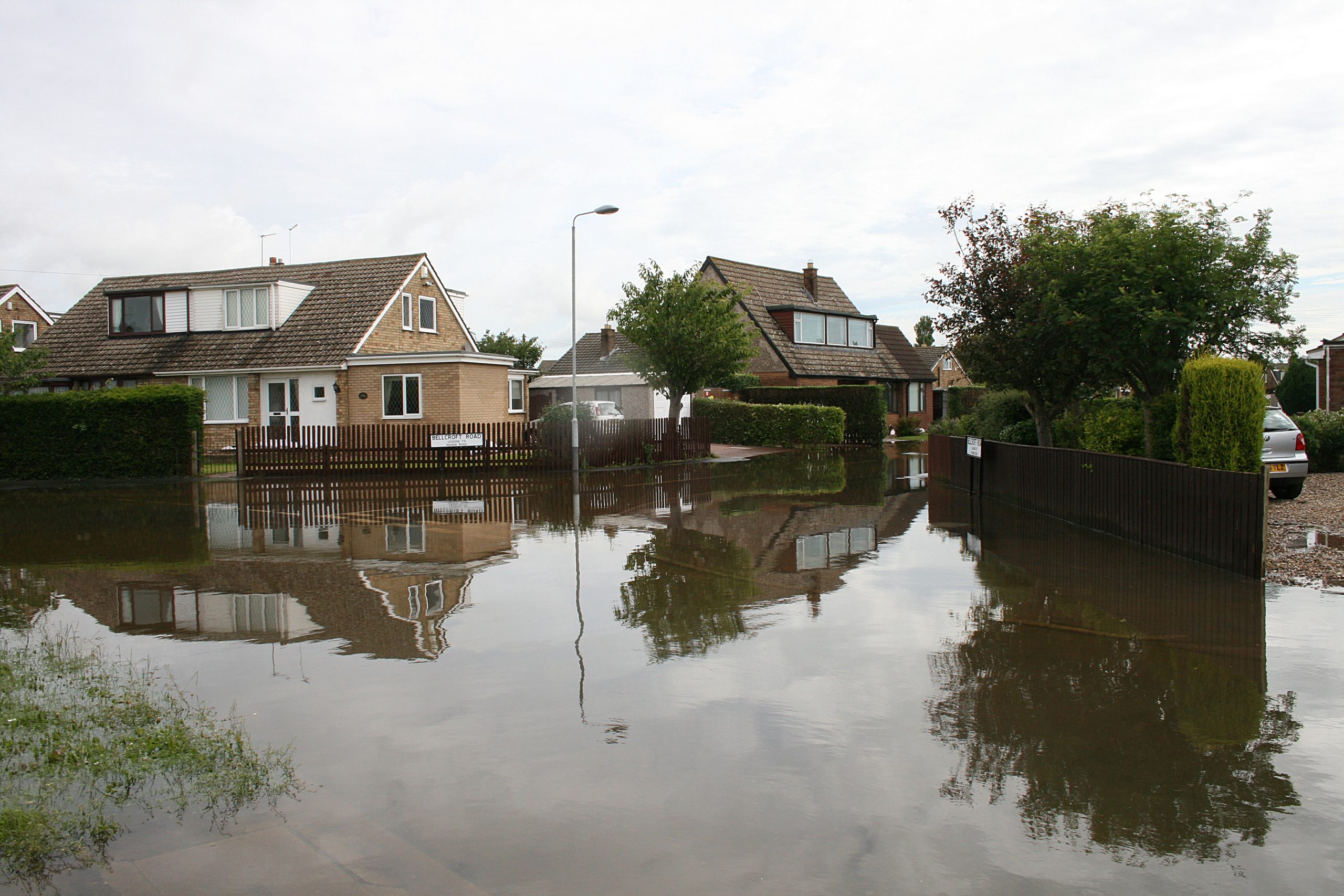
Basements and crawl spaces are the most vulnerable parts of a Spokane home. Water intrusion
often starts unnoticed and worsens over time.
Interior checks to perform
- Damp odors or persistent musty smells.
- Water stains on walls, floors, or insulation.
- Rust on metal supports or equipment.
- Standing water after storms or snowmelt.
Sump pump considerations
- Test the sump pump before spring runoff.
- Confirm the discharge line moves water far from the house.
- Consider a battery backup if outages are common.
Storm Drains, French Drains, and Yard Systems
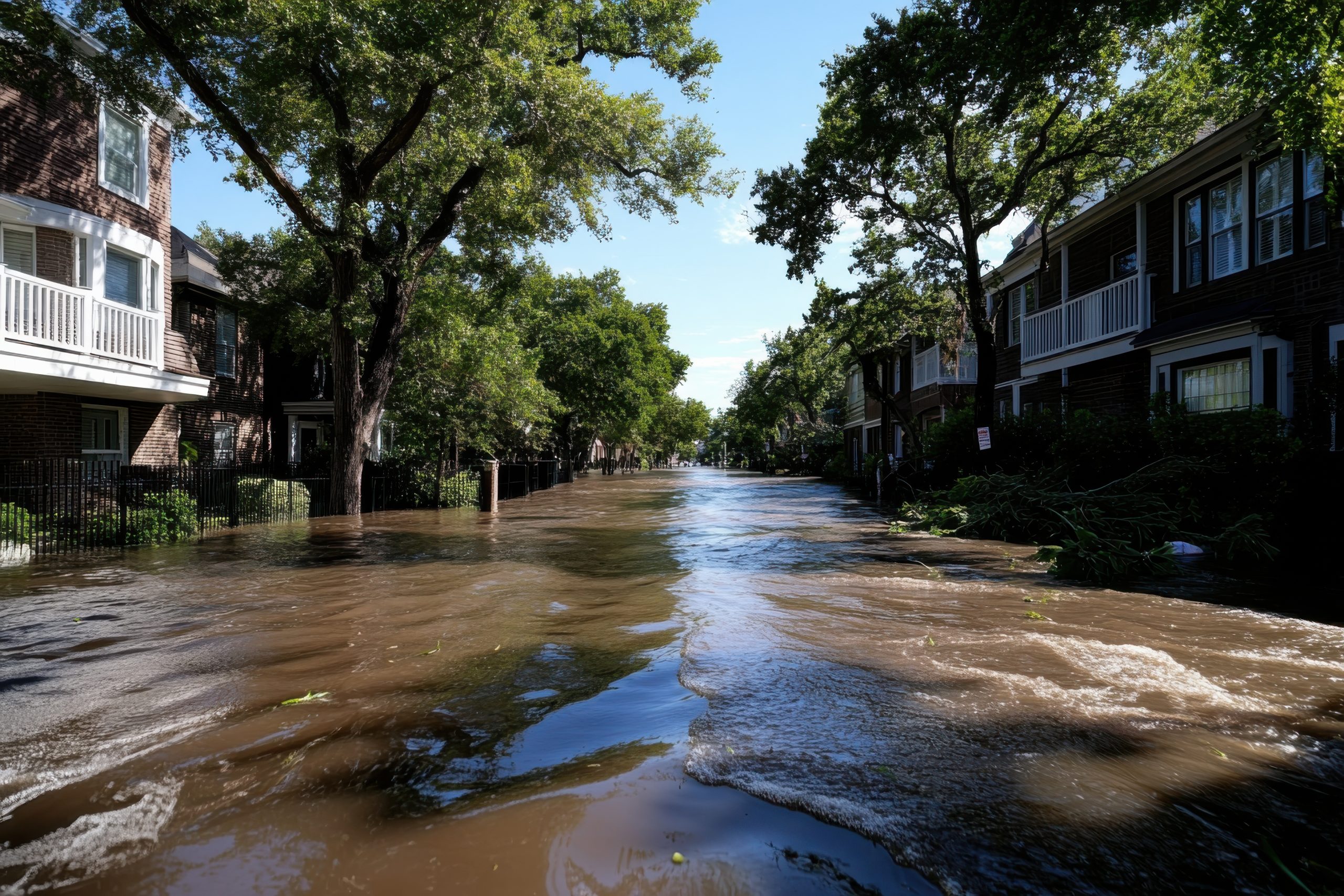
Many Spokane properties rely on drainage systems to manage runoff. These systems must remain
clear and functional to prevent backups.
What to inspect
- French drains for signs of clogging or collapse.
- Surface drains that collect leaves and debris.
- Drain outlets that may be blocked or frozen.
- Yard grading changes caused by settling or landscaping.
Signs a system is failing
- Water bubbling up from drain grates.
- Slow drainage during moderate rain.
- Erosion near drain exits.
Flood Insurance and Risk Mapping
Even homes outside designated floodplains can experience flooding. Understanding your risk
helps you make informed insurance and mitigation decisions.
- Check FEMA flood maps for your address.
- Ask about prior water damage when buying a property.
- Understand that standard homeowners insurance does not cover flooding.
When to Call a Professional
Some drainage issues require expert evaluation. Early intervention can prevent structural
damage and mold problems.
- Recurring basement water intrusion.
- Major grading or erosion issues.
- Sump pump failures or backups.
- Foundation cracks with active moisture.
Bottom Line
Flood risk in Spokane is usually about drainage, not disasters. By checking grading, gutters,
basements, and drainage systems, homeowners can identify problems early and protect their
property. A thorough inspection before heavy rain or snowmelt season can save thousands in
repairs and provide long term peace of mind.