What Buyers Should Inspect Closely in Older Spokane Homes
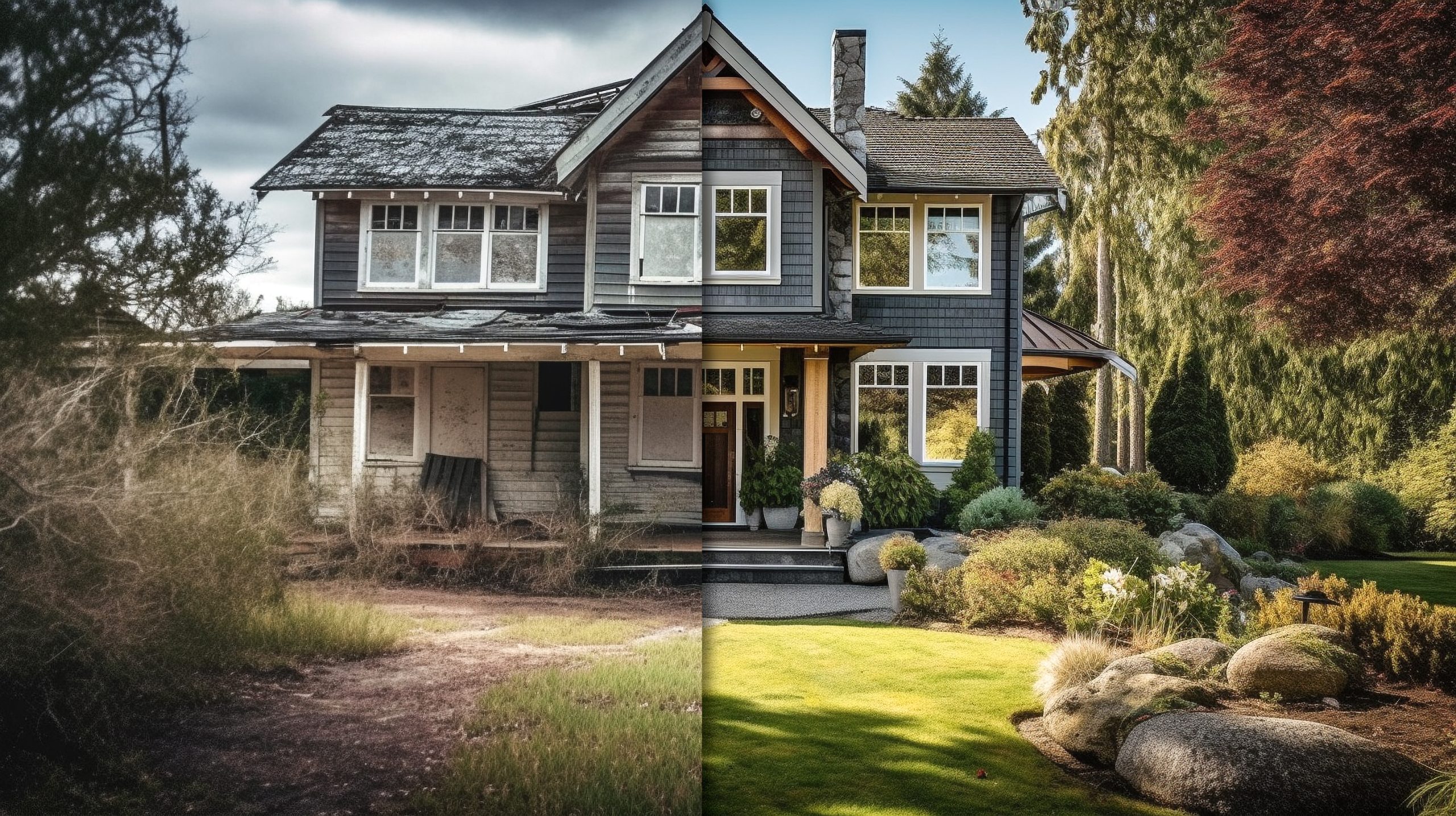
Run-down Country House Before And After Renovation Construction – Generative AI.
Older homes in Spokane offer charm, character, and established neighborhoods, but they also require closer inspection than newer construction. Buyers looking in Spokane and surrounding areas like Spokane Valley and Spokane County should understand where hidden issues are most likely to appear so they can budget accurately and negotiate with confidence.
Foundation and Structural Integrity
Many older Spokane homes were built decades ago using materials and methods that differ from modern standards. Buyers should carefully inspect the foundation for cracks, settling, or signs of moisture intrusion. Uneven floors, sticking doors, or visible wall cracks can indicate underlying structural concerns that may require professional evaluation.
Roof Condition and Drainage
Roof age and condition are especially important in Eastern Washington’s climate. Buyers should confirm the age of the roof, look for missing or curling shingles, and ensure gutters and downspouts are directing water away from the foundation. Roof replacement can be a significant expense if overlooked.
Electrical Systems and Wiring
Outdated Panels and Wiring
Older homes may still have outdated electrical panels or wiring that does not meet current safety standards. Knob and tube wiring, aluminum wiring, or undersized panels can limit electrical capacity and pose safety risks. Buyers should verify whether updates have been completed and whether the system can support modern usage.
Plumbing and Water Lines
Plumbing materials in older homes can vary widely. Galvanized pipes, aging sewer lines, or original fixtures may need replacement. Buyers should check water pressure, drainage speed, and signs of leaks or corrosion. Sewer line inspections are especially important for older properties.
Heating, Cooling, and Insulation
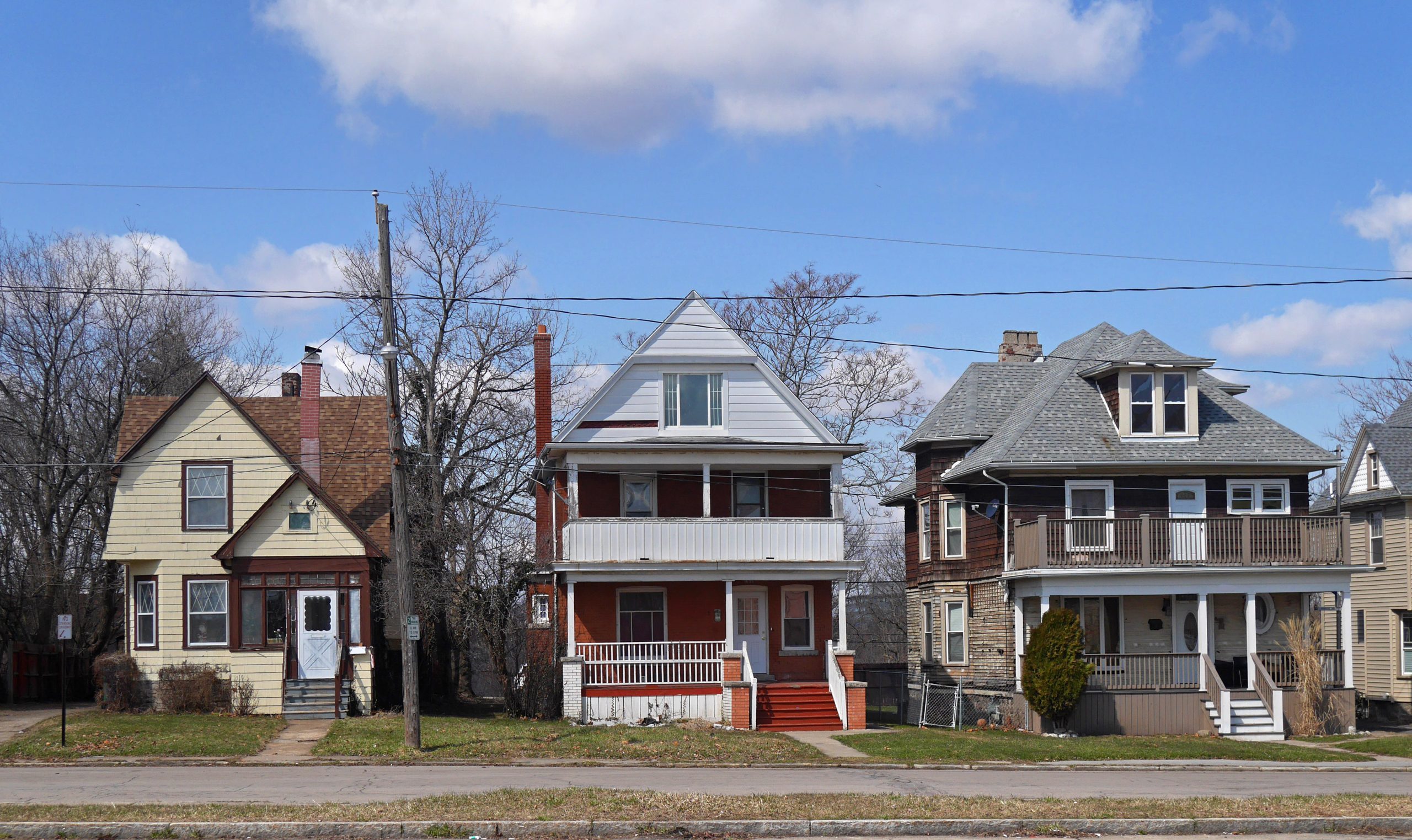
row of older houses in American suburb
Older Spokane homes may lack modern insulation or efficient heating systems. Buyers should evaluate furnace age, ductwork condition, and insulation levels in attics and crawl spaces. Inefficient systems can lead to higher energy bills and comfort issues during winter months.
Windows, Doors, and Energy Efficiency
Original windows and doors can contribute to drafts and energy loss. While they add character, buyers should assess whether upgrades are needed to improve efficiency. Double pane replacements or weather sealing may be necessary to reduce long term costs.
Basements and Moisture Issues
Basements in older homes deserve special attention. Signs of moisture, mold, or previous water intrusion should be investigated thoroughly. Even minor dampness can indicate drainage or foundation concerns that may worsen over time.
Why Thorough Inspections Matter
A detailed inspection helps buyers avoid unexpected repairs and strengthens negotiating power. Understanding the true condition of an older home allows buyers to plan responsibly while preserving the charm that makes Spokane’s historic neighborhoods so appealing.
For a comprehensive home inspection checklist and buyer guidance, the U.S. Department of Housing and Urban Development provides useful resources at hud.gov.