
Contracts, Transfer Details, and ROI Questions
Solar can be a great bonus when you buy a home, but only if you understand what you are actually inheriting. The biggest mistakes buyers make are assuming the panels are automatically owned, ignoring contract transfer steps, and guessing at savings without reviewing real production and utility bills. This guide walks through the questions to ask, the paperwork to verify, and how to think about return on investment in Spokane.
First Question: Are the Solar Panels Owned or Financed?
Before you evaluate savings, confirm the ownership structure. This single detail determines what transfers to you, what you might owe, and how complicated the closing process can become.
Common solar ownership setups
- Owned outright: The seller owns the system free and clear. This is usually the simplest scenario.
- Financed loan: The seller financed the system and still has a loan balance. The loan may need to be paid off at closing or transferred depending on lender rules.
- Lease: The homeowner pays a monthly lease payment to a solar company. You may have to qualify to assume the lease.
- Power purchase agreement (PPA): You pay for the power produced at a set rate. Like a lease, it requires transfer approval and contract review.
Solar Contracts: What Buyers Should Review
If the system is financed, leased, or under a PPA, the contract matters as much as the house contract. Ask for the full agreement early so you have time to review it before deadlines.
Contract details to confirm
- Term length: How many years remain and what happens at the end.
- Monthly payment: Current payment and whether it escalates over time.
- Transfer requirements: Credit approval, transfer fees, and required paperwork.
- Maintenance responsibility: Who pays for repairs, inverter replacement, and monitoring.
- Warranties: Panel warranty, inverter warranty, workmanship coverage, and what transfers.
- Buyout options: Whether you can buy the system later and how the price is determined.
Transfer Details: What Happens During Closing
Solar transfers can add steps to closing, especially if a third party must approve you. The goal is to start this process as soon as you are under contract, not during the final week.
What to request from the seller early
- Proof of ownership or financing documents
- Full solar contract if leased or PPA
- Warranty paperwork and installer information
- System specs, including size in kW and panel count
- Monitoring app access details or account transfer instructions
- Recent utility bills and production reports
Common transfer outcomes
- Seller pays off the loan at closing: Often the cleanest option for buyers.
- Buyer assumes the loan: Possible but depends on lender rules and your qualification.
- Buyer assumes a lease or PPA: Requires approval and often involves a formal transfer packet.
ROI Questions: How to Evaluate the Savings in Spokane
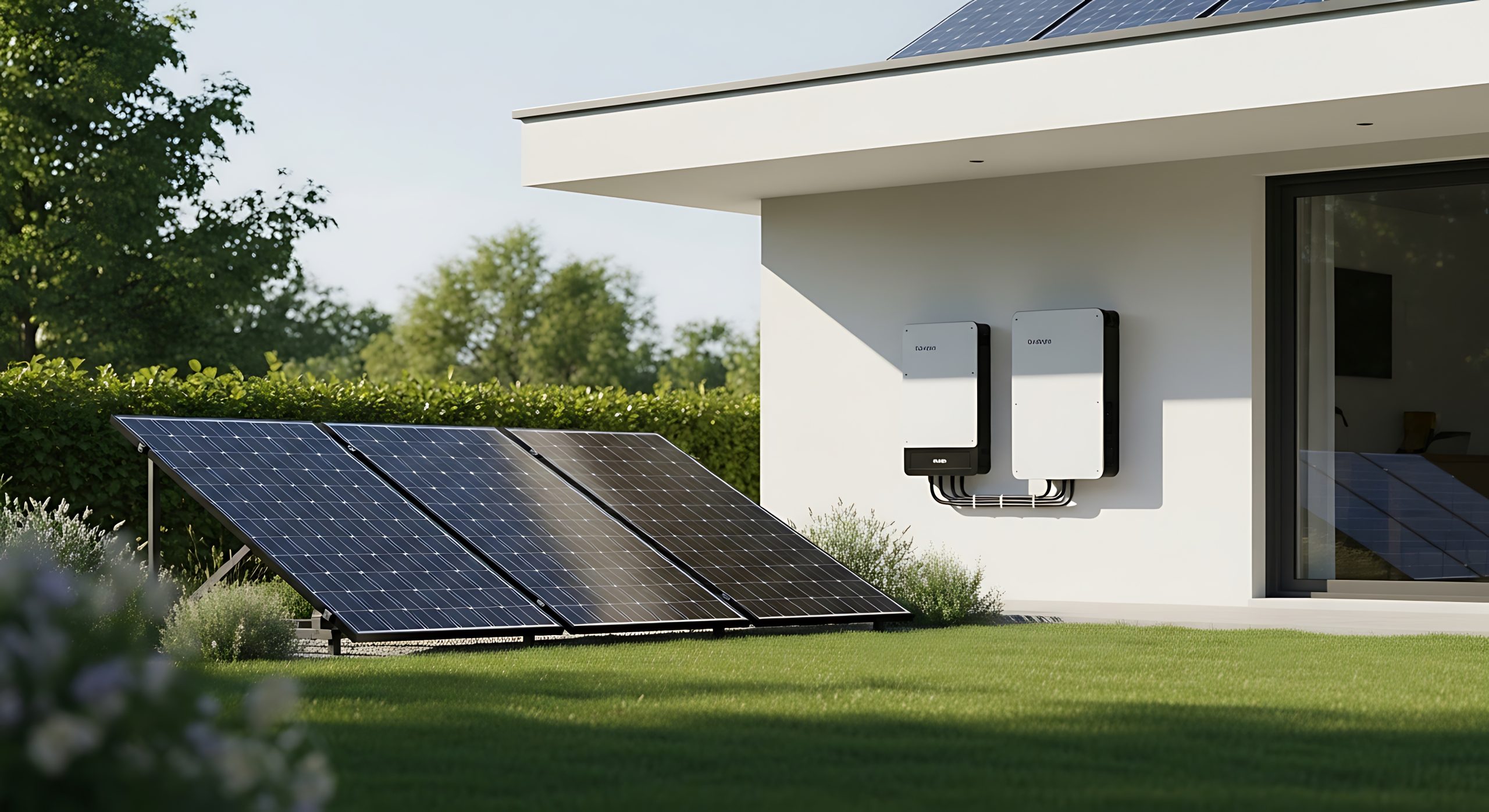
Return on investment depends on your electric usage, utility rates, the system’s production, and the contract structure. Do not rely on marketing numbers. Use real data from the home.
Three numbers you want
- Annual production: kWh produced over the last 12 months.
- Electric usage: kWh used over the last 12 months from utility bills.
- Net cost: What you pay after solar, including any monthly solar payment if the system is not owned.
Simple ROI reality check
- If the system is owned, compare electric bills before and after solar to estimate savings.
- If the system has a payment, compare the solar payment plus reduced electric bill versus a normal electric bill.
- If the system is leased or PPA, ask if payments increase each year and factor that into long term cost.
Questions that uncover the truth fast
- What is the average monthly electric bill in summer and winter?
- Do the panels cover most of the home’s usage or only a portion?
- Has the owner noticed seasonal shortfalls that require higher utility usage?
- Is there battery storage, and if so, is it owned or financed separately?
For a data based way to compare average solar potential and typical sunlight patterns in Spokane, reference
NREL solar resource data.
Inspection and Condition: What to Look For
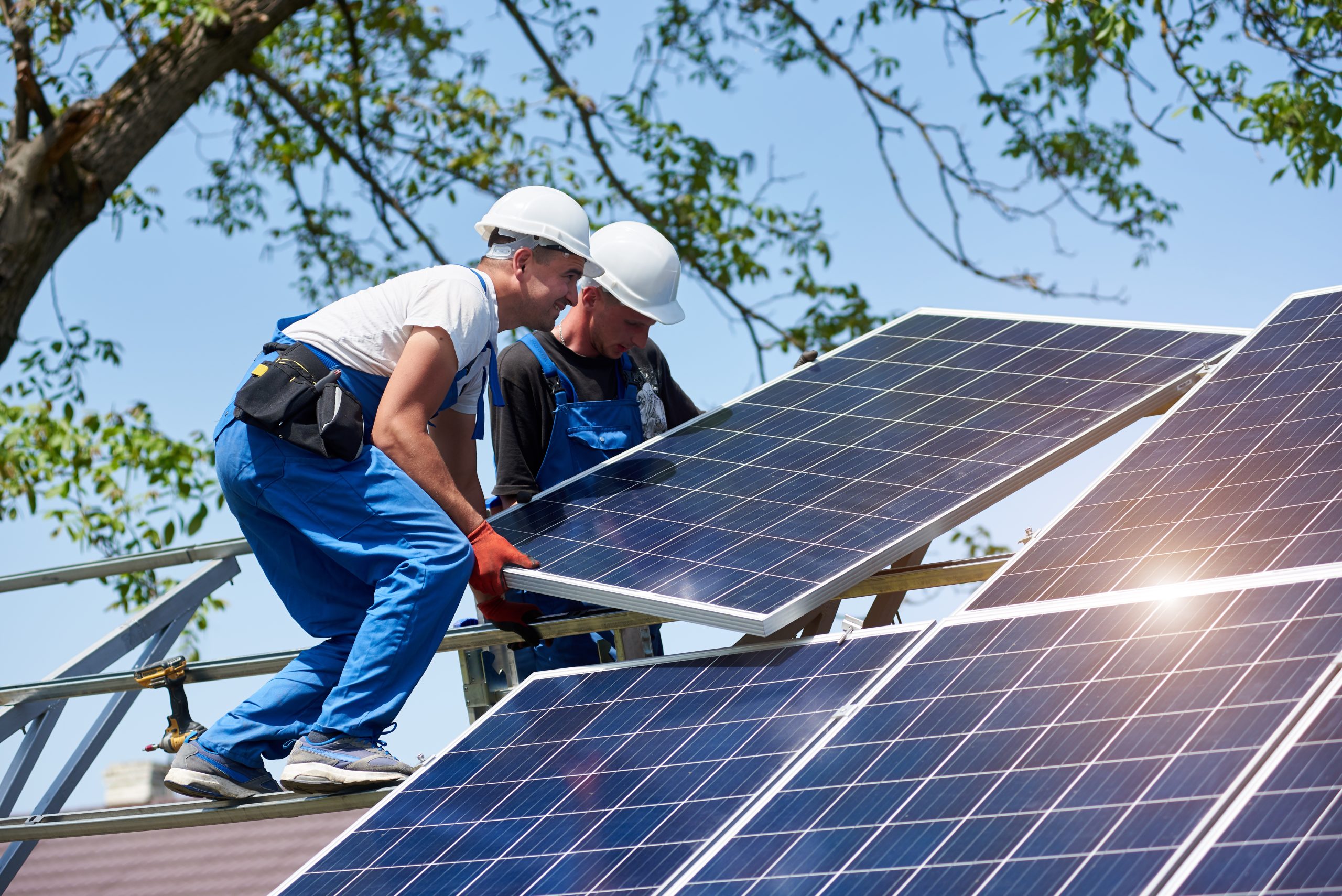
Solar systems are durable, but problems can happen. An inspection should include roof condition and basic solar system checks, especially if the roof is nearing replacement age.
Solar and roof checks to request
- Roof age and condition: If the roof needs replacement soon, removing and reinstalling panels can add cost.
- Inverter age: Inverters often wear out before panels do.
- Visible damage: Cracks, corrosion, loose wiring, or poor mounting.
- Monitoring history: Confirm the system has been producing consistently without long outages.
Net Metering and Utility Considerations
Your savings can also depend on how excess production is credited. Ask how the current owner’s billing works, whether they typically carry a credit, and how seasonal usage balances out across the year.
Negotiation Tips for Buyers
Solar can be a value add, but only when terms make sense. If the contract is expensive, has escalators, or has a long remaining term, negotiate accordingly.
- Ask the seller to pay off the solar loan if possible, especially if it affects affordability.
- Request production data and utility bills before you remove contingencies.
- Build time into the contract for solar transfer approval if needed.
- Confirm warranties transfer so you are not left without coverage.
Bottom Line
Buying a home with solar in Spokane can be a smart move, but it is a paperwork and math decision, not a guess. Confirm whether the system is owned, financed, leased, or under a PPA. Review contract transfer steps early, collect real production and bill data, and use those numbers to evaluate true monthly costs and long term value.