
Buying a Fixer Upper in Spokane: Permits, Contractors, and Budget Reality Checks
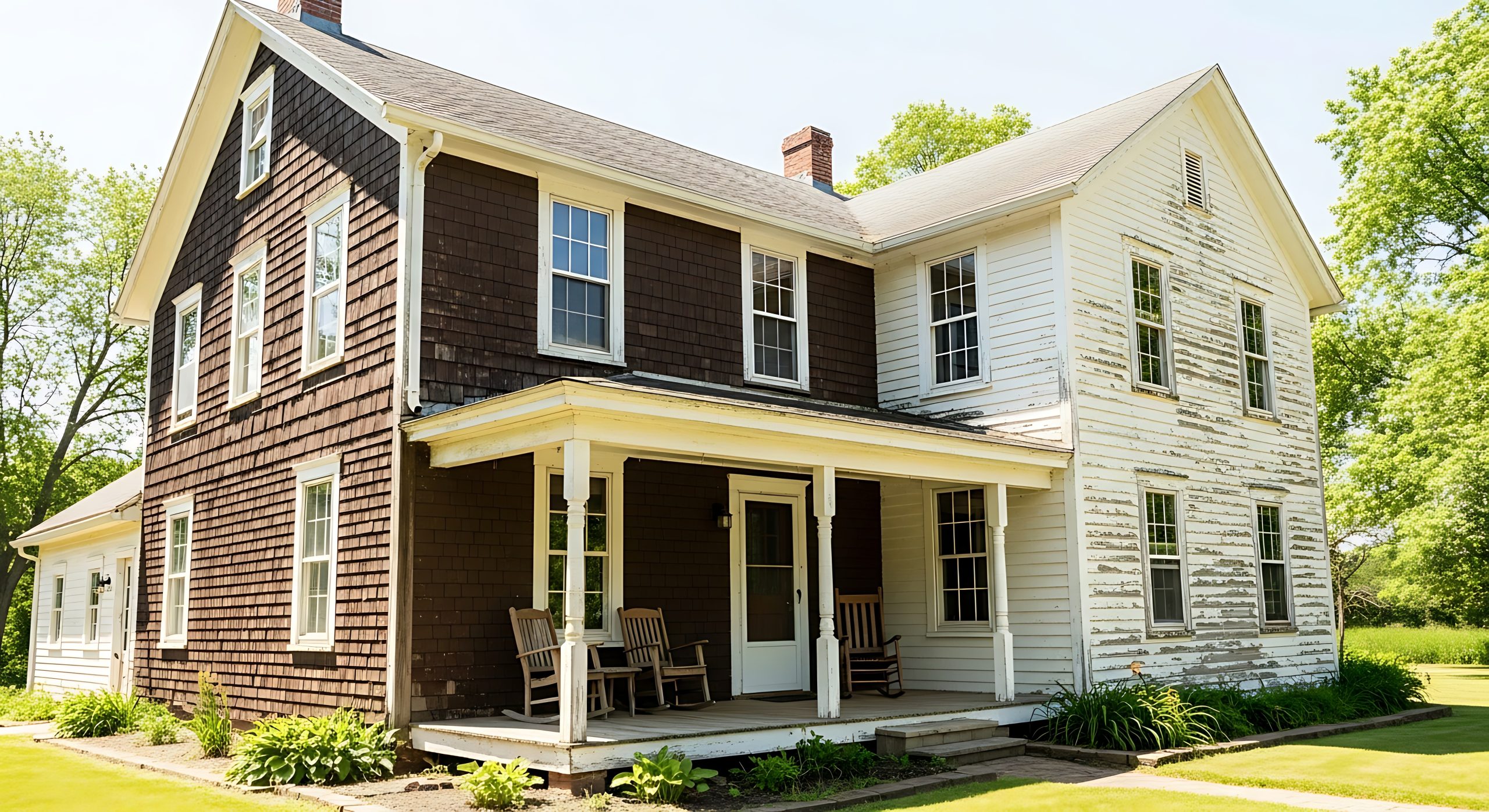
Exterior view of a large historic American house showing signs of age with peeling paint and contrasting siding on a sunny day.
Fixer uppers can be a smart way to buy into Spokane neighborhoods, build equity, and customize
a home to your needs. But renovation costs, permit requirements, and contractor availability can
quickly turn a good deal into a stressful project if expectations are not realistic. This guide walks
through what Spokane buyers should understand before committing to a fixer upper.
Spokane Fixer Upper Reality: Why Planning Matters
Many Spokane homes were built decades ago, which means upgrades often involve older wiring,
plumbing, insulation, and structural elements. Renovations frequently uncover issues that were
not visible during a showing.
Successful fixer upper projects start with clear planning, proper permits, and a budget that
accounts for surprises. Skipping these steps is one of the most common reasons projects run over
cost and schedule.
Permits: What Typically Requires Approval
In Spokane, permits are required for most work that affects safety, structure, or major systems.
Failing to pull permits can delay projects, cause resale issues, or require expensive rework.
Common projects that need permits
- Electrical work beyond simple fixture replacement.
- Plumbing changes including moving lines or installing new fixtures.
- Structural modifications such as removing walls or altering framing.
- HVAC installations or system replacements.
- Additions, garages, decks, and major exterior changes.
Projects that may not require permits
- Interior painting and flooring.
- Cabinet replacement without plumbing or electrical changes.
- Minor exterior repairs that do not alter structure.
Always confirm permit requirements with the city before starting work. Rules can change, and
assumptions can lead to costly mistakes.
Contractors: Availability, Vetting, and Timing
Skilled contractors in Spokane are often booked weeks or months out, especially during spring
and summer. Buyers should factor contractor availability into both timelines and budgets.
How to vet contractors properly
- Verify licensing and insurance before signing anything.
- Ask for local references from recent Spokane projects.
- Get multiple bids to understand realistic pricing.
- Review contracts carefully for scope, timeline, and payment structure.
- Avoid large upfront payments before work begins.
Timeline expectations
- Permit approval can take longer than expected.
- Material delays are common, especially for custom items.
- Weather can impact exterior work and inspections.
Budget Reality Checks: What Buyers Often Underestimate
Renovation budgets frequently miss hidden or secondary costs. A realistic budget protects you
from running out of funds mid project.
Costs that surprise many buyers
- Electrical upgrades to meet current code.
- Plumbing replacements in older homes.
- Insulation improvements for energy efficiency.
- Permit and inspection fees.
- Temporary housing if the home is not livable during work.
Smart budgeting tips
- Build a contingency of at least ten to twenty percent.
- Prioritize safety and structural issues before cosmetic upgrades.
- Get inspections early to uncover major risks.
Inspections: Your Best Risk Management Tool
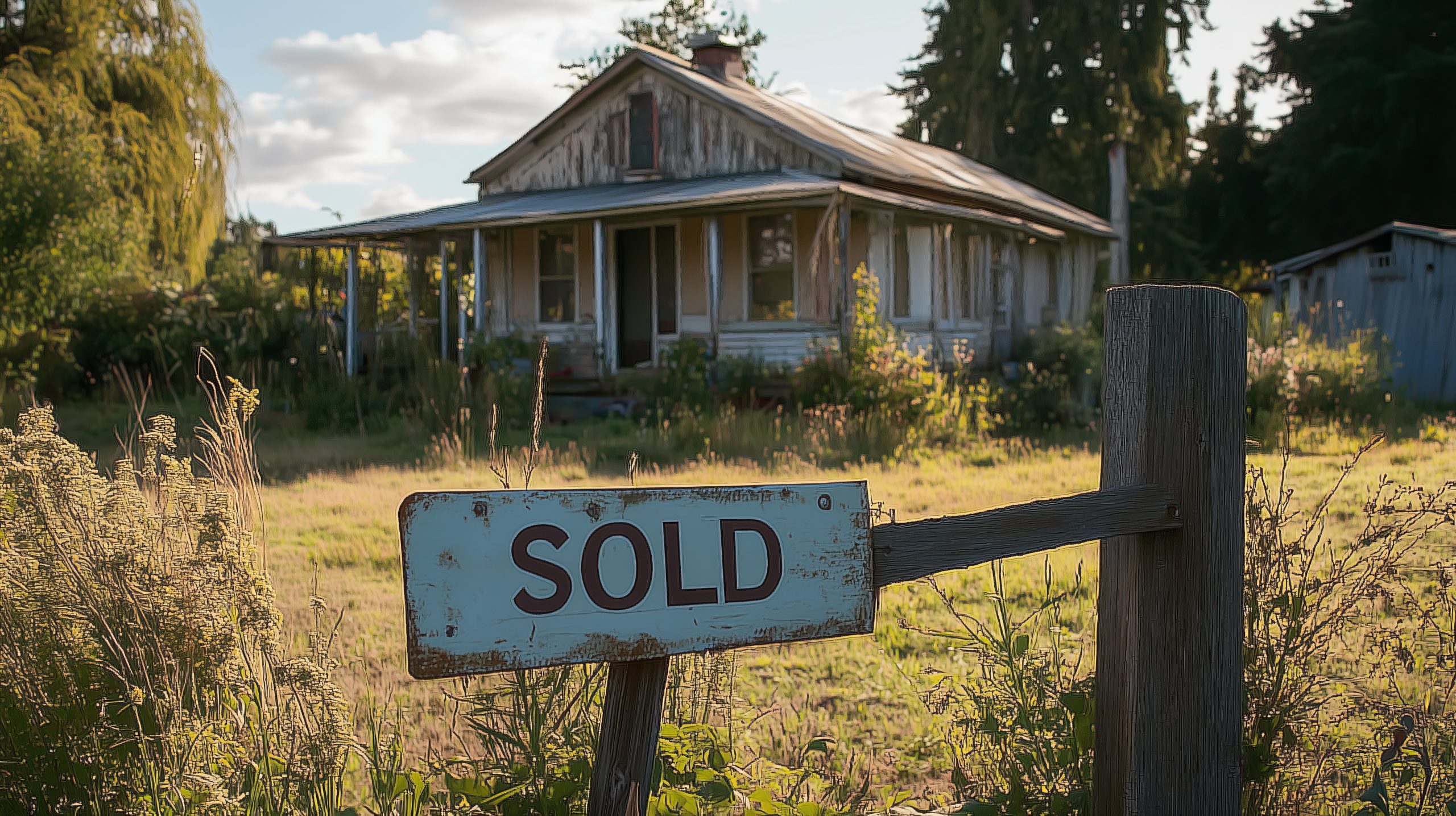
The ancient wooden house against the backdrop of wild vegetation is sold, as evidenced by the shabby sign Sold on a wooden pillar. Summer warm light emphasizes the atmosphere of rural seclusion.
A thorough inspection is essential when buying a fixer upper. Inspectors can identify issues
that affect both cost and feasibility.
Key areas to inspect closely
- Foundation and structural integrity.
- Roof condition and remaining lifespan.
- Electrical panels and wiring type.
- Plumbing materials and drainage.
- Signs of moisture, mold, or past water damage.
Resale and Long Term Value Considerations
Not every renovation adds equal value. Over improving a home for the neighborhood can limit
return on investment.
- Research neighborhood price ceilings.
- Focus on kitchens, bathrooms, and energy efficiency.
- Document permitted work for future resale.
When a Fixer Upper Makes Sense

Fixer uppers work best for buyers with realistic timelines, flexible budgets, and access to
reliable contractors. They are less ideal for buyers who need immediate move in readiness or
tight financial margins.
Bottom Line
Buying a fixer upper in Spokane can be rewarding, but success depends on permits, contractor
planning, and honest budgeting. Understanding local requirements, building in contingencies,
and prioritizing critical repairs helps turn a challenging project into a solid long term
investment.